Why Guests at Disney Parks Wear Mall Clothes as Characters
Walt Disney World still forbids costumes for guests fourteen or older, and the 2026 Halloween nights that lift the ban were already sold out in September.
A fourteen-year-old in a costume is already over the line at the gate. The page that says so is the park's own, and it was still saying so in late September. People keep asking a different question: whether mall clothes in a character's colors still count as dressing up. Almost none of that argument is what the gate is for.
The ban is not a taste, and it is not a debate about whether the look counts. It is a property rule, which is why ordinary clothes asked to read as a character are still the way in. That cutoff governs everyone who walks through, not the handful of people who named a workaround for it.
What the park actually forbids
The search wants an adults-only rule, and the page does not write one. Fourteen is already inside the ban, which is why rounding the cutoff up would drop the people it actually names.
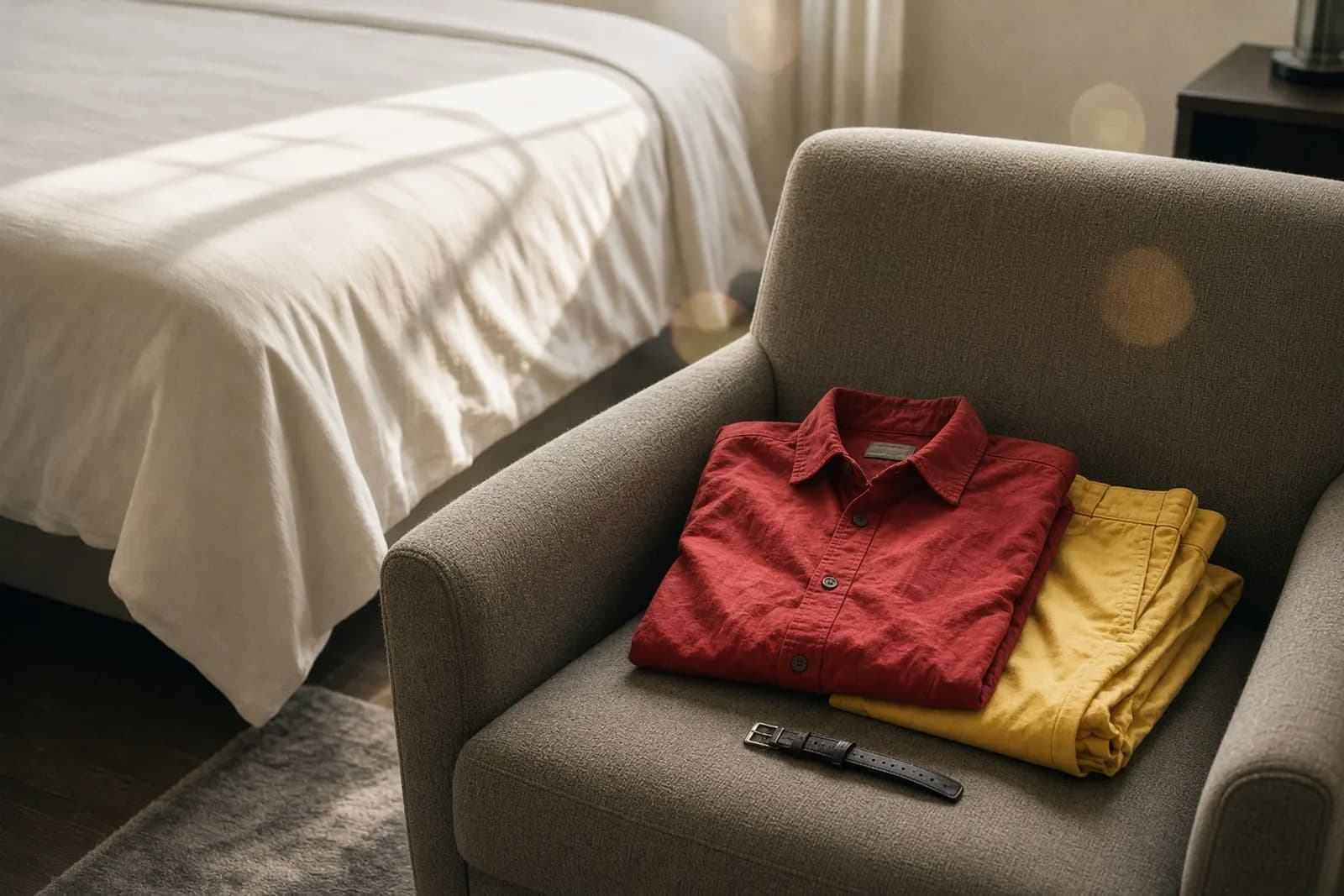
The rule is not deciding whether the clothes read as a character. It is deciding whether they count as a costume, which is why a color story can still walk in. The replica that would make the character undeniable is the thing the line is for.
The same list that bans the costume also points at ticketed nights with a different costume line. The everyday ban is the default, and the exception is an event rather than a seasonal mood.
Those nights exist, and they are not a weekday right. By late September the official Halloween page was already treating this year's window as closed. A costume in autumn is a separate ticket, and on the day the page was opened that ticket was gone.
What the remaining permission is not
The sentence people quote as leftover weekday permission was not sitting on the ordinary-day page. It was printed as a party guideline, so garments that pass on a ticketed night are not, on that evidence, a published everyday rule.
The page a guest would open to find the remainder did not produce a guideline at all. It produced a help shell, which is not a quiet rewording of the ban. It is an absence where the leftover permission is supposed to be.
What the ban leaves standing is therefore not a list of acceptable shirts a guest can cite. It is whatever will not be read as a costume. The park will take the colors. It will not take the costume.
The park will take the colors. It will not take the costume.
Who still wears the workaround
The workaround has people in it. A 2026 guide still names the person who called the look, and a guest who still does it as a weekly habit. Coverage lists them and moves on. What follows is what each of them is actually for, checked rather than assumed.
Leslie Kay is the name that guide still treats as the source of the word, and the Instagram it prints is hers.
The useful sentence is not the coinage date. It is that the clothes have to pass as ordinary, which is the only form the gate will take.
The name the guide still prints is DisneyBound. She is describing a remainder the park already made rather than settling whether mall clothes count as cosplay.
Faith Deffendoll is the weekly version of the look, not the origin story. The same guide quotes her as a park habit, not as a convention specialism.
That is not a teacher filling a programme so much as a habit the costume ban produced, still being done at the gate this year. By the last of those names the reader has a range: a word for the remainder, and a person still doing the weekly version.
Mall clothes assembled because a park will not take a replica are not mall clothes assembled because of a student budget. Closet Chloe teaches the second of those, as a convention method with a purchase and a missing piece written down. Averaging her lists with a park workaround would be the mistake, because they share a photograph without sharing a cause.
The journal has already watched a color story do the recognition work a character name used to do, on a convention floor. It did not follow that look through a gate that forbids the replica. On a convention floor, a color story is a strategy for a photograph. At this park it is a compliance strategy, which is the only version of the character the property will admit.
Why this is not only a park-fashion story
The same squeeze shows up anywhere a venue forbids the full version of the thing people came to do. The test is not whether the outfit is a good reading of a character. The test is whether it counts as a costume, which means the rule never looks at the character. It looks at a category, and the category is what travels.
This is not only about guests at one resort, and it is not only about whether mall clothes count. Anyone whose venue will admit the colors and refuse the replica is already living under that kind of rule. The clothes did not win an argument about what counts. They are what the gate would still take.
What is honestly available
There is no weekday remainder a guest can cite from the dress FAQ, because that page did not return a guideline. There is a ticketed window that lifts the ban, already being treated as gone on the day the official page was opened.
The clothes at the gate are ordinary garments asked to read as a character, and nobody negotiated that as a loophole. It is the floor the ban left standing.