What Is the E-Girl Aesthetic?
The look is assembled from three older subcultures and a camera angle. The word for it started as an insult and has not entirely stopped being one.
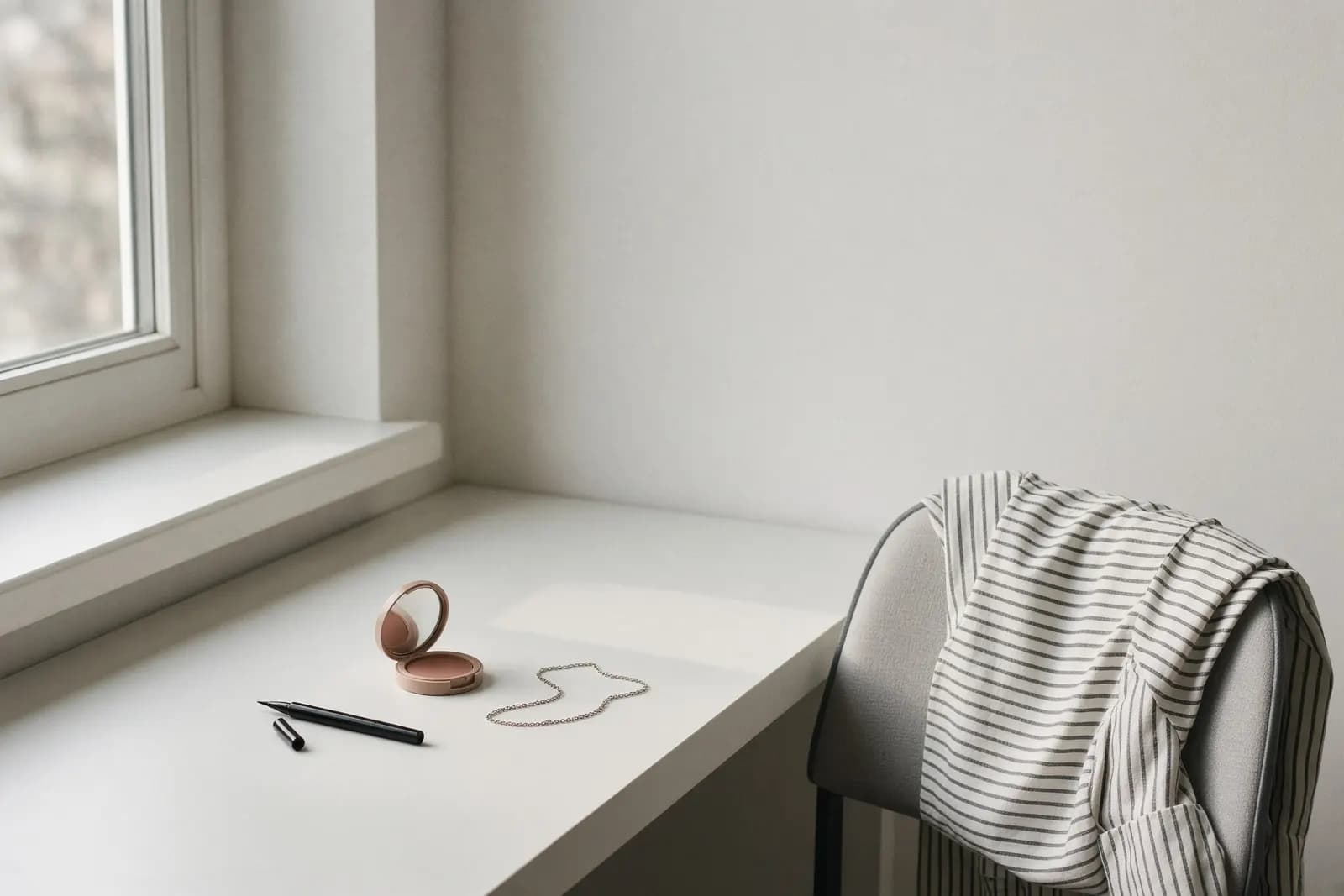
Almost anyone who spends time online can identify the look on sight: the eyeliner, the blush across the nose, the small shapes drawn under the eyes. Far fewer can say where it came from. The word for it was an insult for about a decade before it named a style.
What the word actually means
E-girl is a contraction of electronic girl, and it arrived as an accusation. In its earliest usage it described women believed to be online for male attention — a charge that described the people making it at least as well as anyone it was aimed at. The insult outlasted the decade. The style it would eventually name did not exist yet.
Reference works disagree about exactly when the word first appeared, and none of them produce a dated example. That vagueness is worth carrying: this was community slang for years before anyone thought to write it down.
The makeup is the signature
Strip an e-girl photograph of everything except the face and the aesthetic still reads. Eyeliner extended well past the corner of the eye. Blush laid across the bridge of the nose rather than the cheekbones, high enough to suggest either embarrassment or fever. Hearts, tears or crosses drawn under one eye. Hair in a flat neon, or bleached only in the two sections that frame the face.
The clothes are far less fixed — mesh over a t-shirt, a plaid skirt, a choker, platform shoes, sometimes cat ears — and every one of those appears in half a dozen other subcultures. The face does the identifying work. That is precisely why the aesthetic transfers so cleanly to a front-facing camera and so poorly to a room.
What it was assembled from
None of the parts are new. The eyeliner and the flat black hair come from emo and scene. The platforms and the chokers come from mall goth. The anime references, the pastel hair and the deliberate cuteness come from Japanese and Korean street fashion.
What was new was the assembly, and the fact that it was assembled for a lens rather than for a venue. The subcultures it borrows from were places you went. This one is a place you upload to.
The subcultures it borrows from were places you went. This one is a place you upload to.
Why it happened when it did
The look needed distribution before it needed a name, and it got both within about a year.
By the following year the phrase had become one of the fastest-growing fashion searches on Google — reliably the moment an internet look stops being internal to the internet.
How to read the label now
The word has travelled a long way from the accusation, but not the whole way. It is still applied to people who did not choose it, and still used to dismiss women whose visibility online is itself the thing being objected to. It is also, now, a plain description of a set of decisions about eyeliner.
Both readings are live at the same time, and which one is meant usually depends on who is speaking rather than on who is being described. That is worth knowing before using the word about a person rather than about a look.